
Subscribe to our newsletter
One short email when we publish. No spam, unsubscribe anytime.
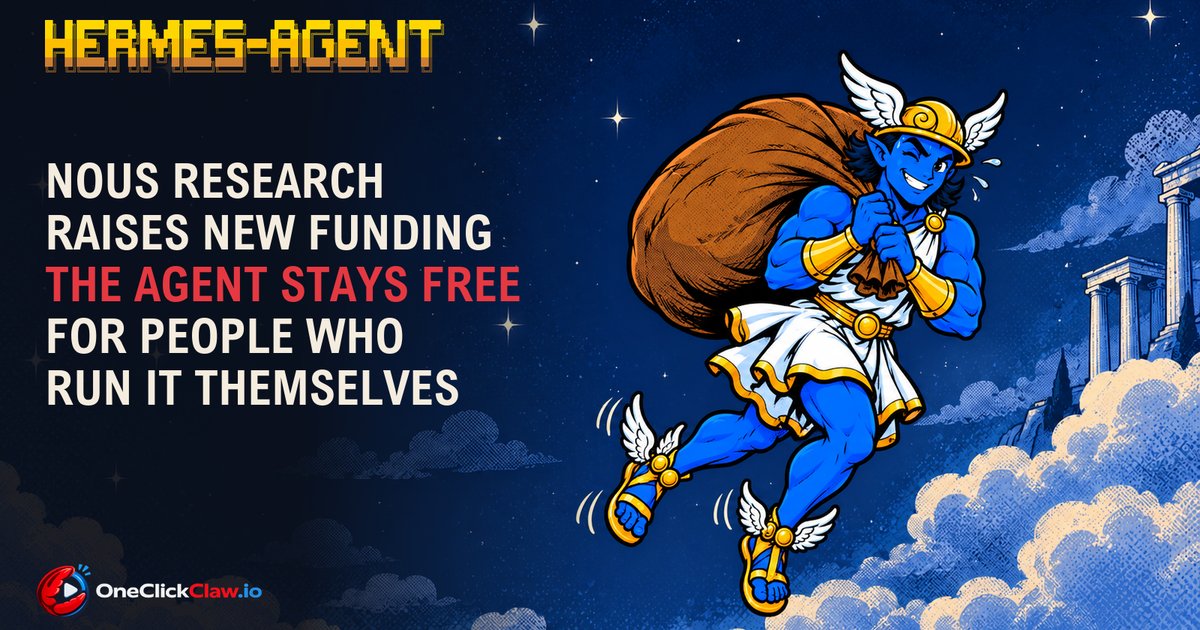
Nous Research raises new funding and keeps Hermes Agent free for people who run it themselves
Nous Research, the company that makes Hermes Agent, said on the 7th of October, 2026 that it has raised $90 million (about €80.52 million) from investors and that the agent keeps the MIT licence it has carried since February, according to a note signed by its chief executive, Dillon Rolnick, on the company's own website. The MIT licence is a short open-source licence: anyone may use, copy, change and pass on the software without paying for it.
For a person who runs Hermes Agent on a server of their own, the note describes the same software under the same terms. The money, the note said, goes to a version for companies.
Who put in the money
The note named NVIDIA, Microsoft's M12, Samsung, Robot Ventures, Union Square Ventures, Y Combinator and Menlo Ventures among the investors. In a post on X the same day, Nous Research called the round a Series B, the second large round of investment a young company takes, and pointed to a report in the Wall Street Journal.
TechCrunch wrote the same day that Robot Ventures led the round and that the company was valued at $1.5 billion (about €1.34 billion). Euro figures in this article use the European Central Bank reference rate of the 7th of October, 2026, when one euro bought 1.1177 US dollars.
What stays the same for a self-hoster
A self-hoster is a person who installs the agent on a machine they control. Three things in the note matter to that person.
The licence. Nous Research wrote that it released Hermes Agent under the MIT licence this past February and gave its reasoning: copying software has become cheap, people want to see what runs in their lives and they want no lock-in. The licence file in the public code on GitHub read "MIT License" on the 8th of October.
The choice of machine and model. The note said users choose where Hermes Agent runs and which AI models it uses. A self-hoster keeps that choice, with a server of their own and their own model keys.
The way it learns. The note described the agent as one that remembers projects, writes reusable skills as it works and carries that knowledge from one session to the next. A skill is a small saved routine the agent can run again later.
Where the money goes
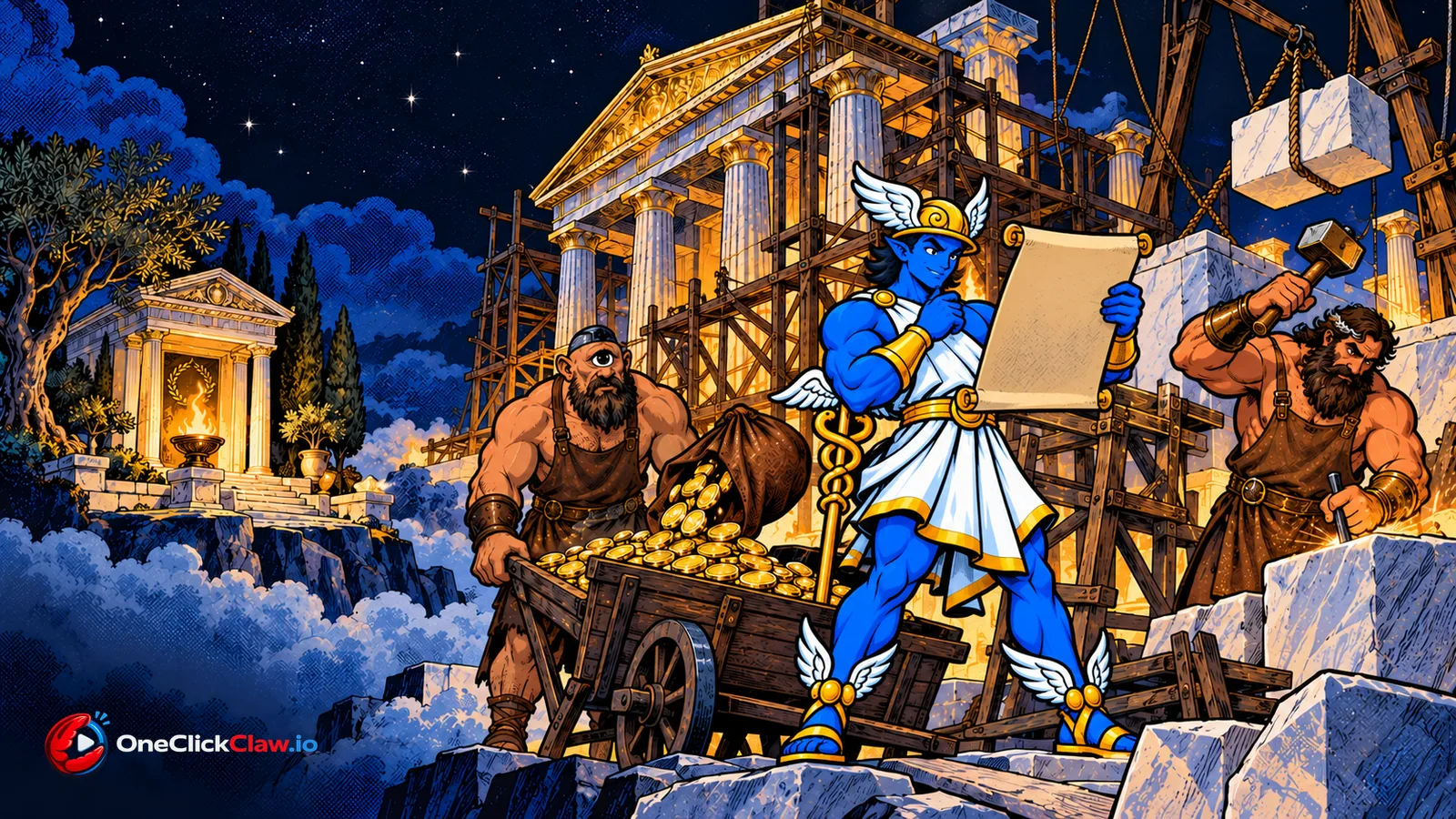
The note said the new capital and the new partners go towards Hermes for Businesses, a version meant to let a company pick the model that fits a task at the lowest price, keep its AI use private and build up its own store of know-how.
The product page on the Nous Portal, read on the 8th of October, describes two packages. Hermes Business runs on Nous infrastructure: one shared balance pays for the whole team, an administrator sets a spending cap per member and a skill one person builds becomes available to everyone's agent. Hermes Enterprise runs on hardware the customer controls and adds single sign-on (logging in with the company's existing accounts), service level agreements (a written promise on uptime and support) and hands-on onboarding, according to the same page.
Both packages are built for teams. A person running one agent on one server is served by the open code, which the note leaves as it was.
The post on X also said the company will build a mobile app. The post gave no date.
The numbers Nous Research gave
Hermes Agent has been cloned more than 24 million times, the note said; a clone is a full copy of the code pulled down to someone's own computer. By the company's own internal estimate, the agent drives about 2.5 percent of all tokens used worldwide; a token is a small piece of text, roughly a word fragment, that an AI model reads or writes. Thousands of people have contributed code, the note said. The public code on GitHub showed 252,000 stars, the site's count of people who bookmarked it, on the 8th of October.
A free agent still needs a machine that stays on
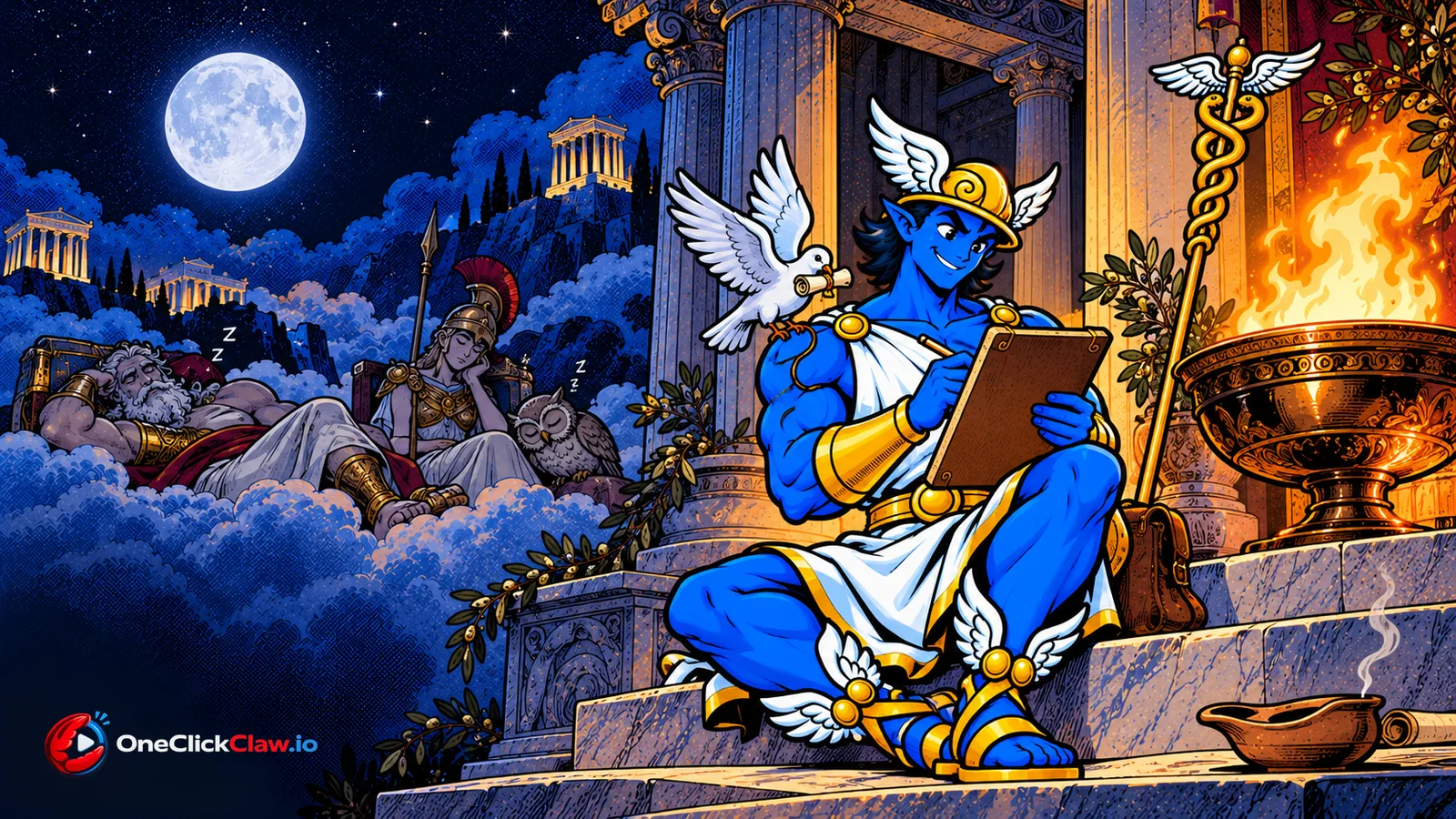
The agent itself costs nothing. The note's own description of how it works points at the one thing a self-hoster has to supply: the agent builds memory and skills while it runs, and the Nous product page lists Discord, Telegram, Slack and WhatsApp as the places where people talk to it. A message that arrives at three in the morning is answered only by an agent that is running at three in the morning, and knowledge the agent gathers on a laptop that is closed at night stops where the laptop stops.
OneClickClaw hosts Hermes Agent and OpenClaw on always-on servers at the same price. A 7-day free trial needs no card, and plans start at EUR 14.99 per month (Starter).
Source: nousresearch.com
Helpful documentation
Want your own AI agent running without the setup? We host it on a dedicated EU server. Free for 7 days, no credit card.
Start your free trialGet notified when we publish new articles
No spam, unsubscribe anytime.
By subscribing, you agree to our Privacy Policy.